If all good things come to an end, it must mean all good things must start, and, for many, that start is freshman year. The year is special because an influx of unfamiliarity awaits us, which we welcome with excitement and nervousness.
High school presents us with a never ending catalogue of sports and extracurriculars that we curiously explore. We remember dim-lit school spirit from neon nights and rivalry football games. We recognize faces with a grin in the hallway and associate birthdays and favorite classes with those sitting across from us at the lunch table. Freshman year is a great transition to introducing variety and challenge in our lives, and, for many students, AP classes are the perfect opportunity to achieve those goals.
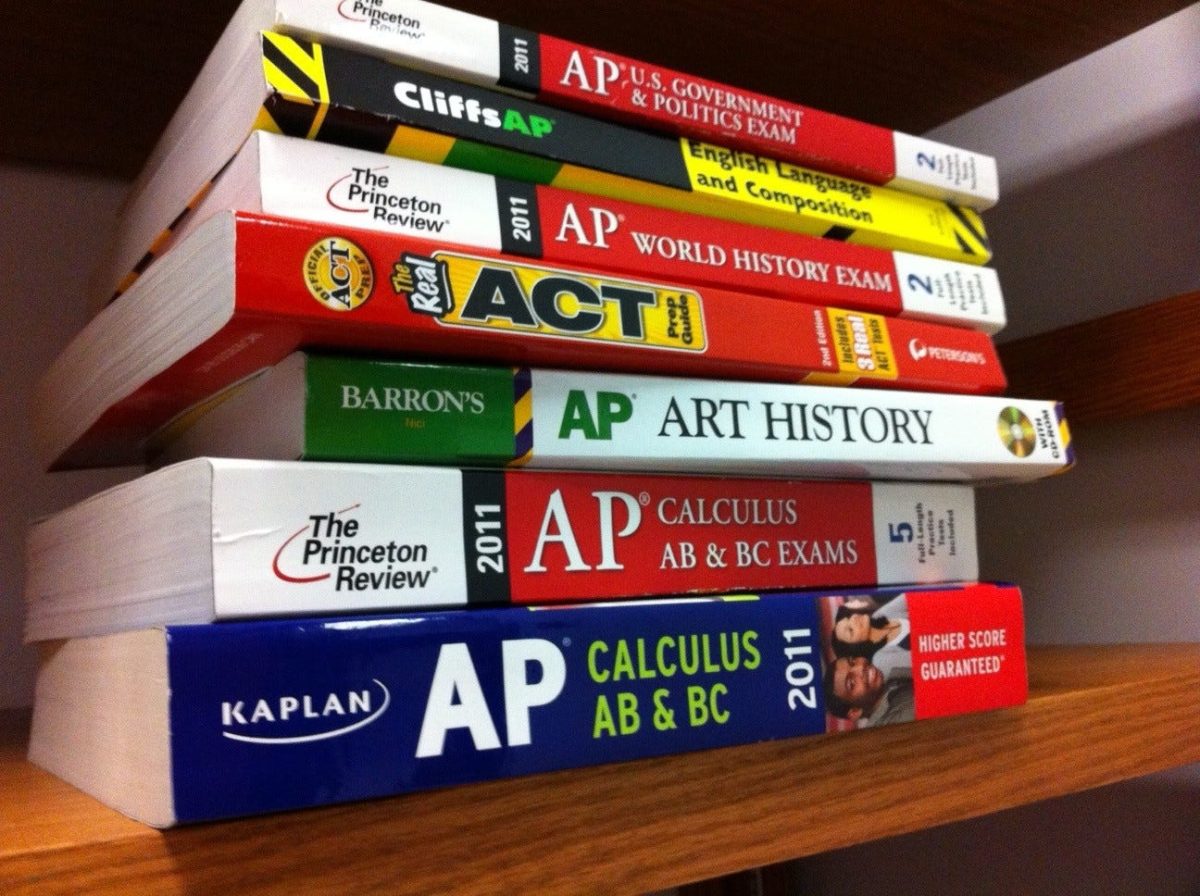
AP classes are an investment for any student, but for freshmen especially they are an opportunity for students to explore their interests in a challenging way. For example, their rigor gives a glimpse into standardized testing systems such as the SAT and the ACT and the responsibility and time management of high school life. These classes prime students for difficult tasks in the future, introducing skills that take years to perfect and are great to start early.
The classroom is also a great space to connect with peers of similar interests and to form ties with students of all grade levels. Having the contact of upperclassmen eases freshmen’ s assimilation; they have the chance to freely ask questions about school and social life and learn from the advice and mistakes of upperclassmen.
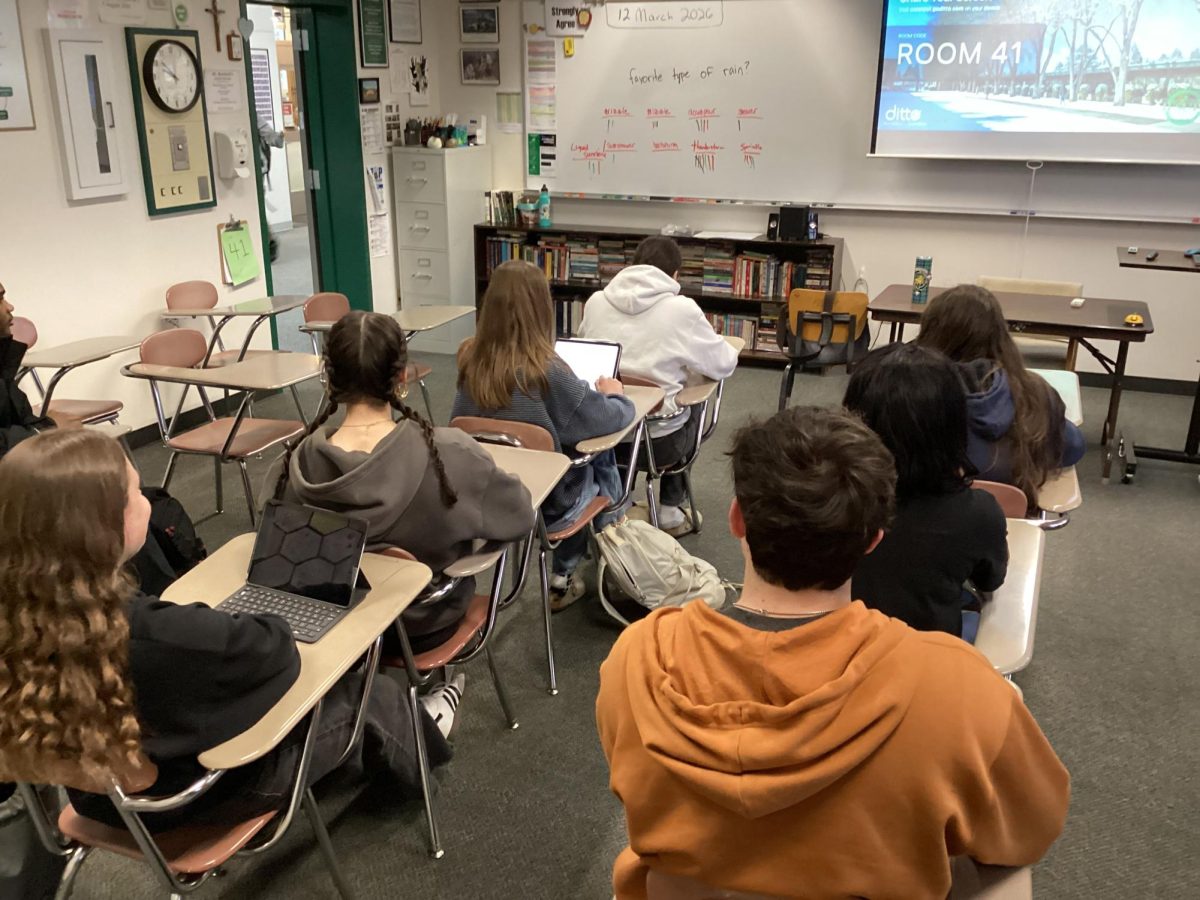
The only freshman-unique AP class, AP World, is a great example of a lot of these benefits. Headed by Ms. Contreras and only introduced during the 24-25 school year, the class broadly covers historical developments around the world and offers aspiring historians an opportunity to sharpen global knowledge, engage in study skills, and perfect multiple choice question strategies. Additionally, the class helps students decide their future curriculum strategy as it might encourage or discourage freshmen to take AP Euro or AP U.S. History in the future based on their interest in the subject.
However, it’s important to consider that AP classes aren’t for everyone, particularly in tumultuous times such as Freshman year. During this fundamental year, one’s priority should be building stability in all aspects of life. A sudden onload of academic responsibility can lead to early burnout, especially with all the other new considerations freshman struggle with such as new sports, friends, and all their other classes.
Freshman counselor Ms. Strear thinks that, “In isolation that AP class might be great, but if you’re taking on too much, whether coursework or other things, it’s hard to be successful.”
Thus, creating balance in one’s life is imperative. Setting out time blocks for productivity and limiting work load are great strategies to implement. As humans, we can’t do it all, and we shouldn’t take this matter lightly or negotiate it for our own health.
Crafting a personal equilibrium is thus a non-negotiable to Strear who states that “part of being a student here is being part of the community and getting to take advantage of all the other non-academic things: time for friends, time for your faith life, time for your family.”
While there is no doubt that AP classes are an engaging and beneficial addition to freshmen schedules, it is also true that there is a lot to consider before signing up for one, namely balance.
A lot of growth and understanding of one’s self comes between freshman and sophomore year, and there is no shame in putting off a class one year or removing some of your workload another.
Opinions published on Jesuitnews.com represent the beliefs of the writer(s) and don’t necessarily reflect those of Jesuit Media, Jesuitnews.com, The Jesuit Chronicle, or Jesuit High School.
Phoebe Um is a freshman at Jesuit High School.